- tyler@kirail.com
- +86 15603721115
Forging defects refer to imperfections in the manufacturing process. While no forging process is perfect, a defect is considered a flaw when it affects the mechanical properties of the metal part, causing it to no longer meet customer specifications. Common causes of forging defects include improper cooling and die design flaws. Nine common defects are listed below.
1. Incomplete Section
One of the most common defects is a notch: a missing part in the finished product. Notches can be caused by many factors. For example, insufficient heating, forging process defects, or poor die quality can all lead to notches. To avoid this defect, ensure sufficient raw materials, use suitable dies, and properly heat the raw materials.
2. Cold Shut
Cold shuts typically occur in low-temperature forging processes using poorly designed dies. Small cracks at the edges of the forging are signs of a cold shut. Cold shuts are particularly common when forging metal parts with sharp corners. This defect is relatively easy to correct: increasing the corner radius of the die will prevent cold shuts.
3. Oxide Scale Pit
Oxide scale pits are a relatively common defect in open-pit forging processes. These are caused by improper cleaning and form irregular pits on the surface of the forging. Oxide pits are relatively easy to avoid if the surface is kept clean throughout the open-pit forging process.
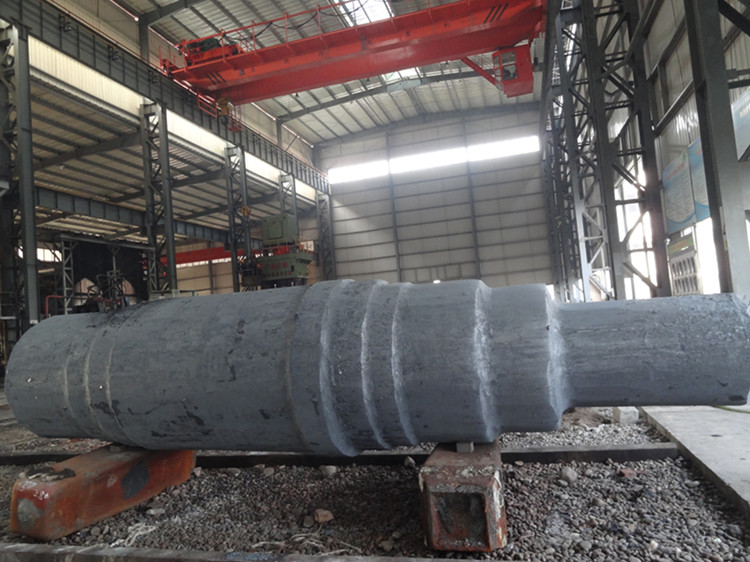
4. Die Misalignment/Mismatch
Die misalignment refers to the misalignment of the upper and lower dies. Using misaligned dies will result in the final product dimensions not meeting expectations, and may even lead to scrap. Fortunately, this defect can be resolved by realigning the dies and placing the workpiece between them, thus obtaining the correct dimensions and continuing subsequent work.
Furthermore, to improve accuracy and consistency, you can introduce self-alignment functions during die design. This can eliminate any errors present in the forging machine and ensure that the upper and lower cavities always match.
5. Laminar Fiber Cracks
Laminar fibrous cracks are one of the most common forging defects. They are internal cracks that appear after improper cooling. In particular, internal cracks are prone to form when the metal is cooled too quickly. This error weakens the strength of the metal part, so the cooling rate should be reduced to avoid it.
6. Abnormal Grain Growth
Abnormal grain growth is caused by abnormal metal flow during the casting process. When grain growth is improper, forging can result in an undesirable grain structure, leading to poor mechanical properties in the workpiece. For example, the metal may become too brittle or its strength may decrease at high temperatures. This problem can be solved by using a proper die design.
Grain refinement can be achieved by increasing the reduction (hot working), and subsequent heat treatments, such as normalizing, can also refine the grain size. However, this grain refinement may only be applicable to certain alloys containing grain-refining elements (such as titanium, aluminum, and vanadium).
7. Incomplete Forging Penetration
Incomplete forging penetration is a simple forging defect. This occurs when the hammering force is too light or the speed is too fast. As the name suggests, this defect results in an incomplete forging of the workpiece, usually meaning it cannot be used for its intended purpose. This defect can be avoided by ensuring proper pressure control throughout the operation.
8. Surface Cracks
Surface cracks are caused by machining on a cold surface. Surface cracks are easily identifiable: cracks appear on the surface of the forging. Surface cracks can severely compromise the durability of metal parts, rendering forgings with surface cracks unsuitable for many manufacturing processes. Maintaining temperature control during processing is the best way to prevent surface cracks from impacting production efficiency. This includes proper heating of the workpiece and preheating of the forging and die.
9. Residual Stress in Forging
Like other forging defects, improper cooling during forging is a cause of residual stress. Residual stress can cause metal deformation, potentially leading to serious problems for equipment. To avoid this defect, the cooling rate of the forging should be reduced. Residual stress reduces the strength of the forging and can even cause it to fracture under high pressure, thus causing very serious problems. Uniform cooling of the forging and subsequent normalizing helps to address this issue.

