- tyler@kirail.com
- +86 15603721115
Preventing forging defects requires proper process control and continuous quality management throughout the entire forging operation. By optimizing key production parameters and employing reliable inspection methods, manufacturers can significantly reduce the risk of defects and enhance product consistency.
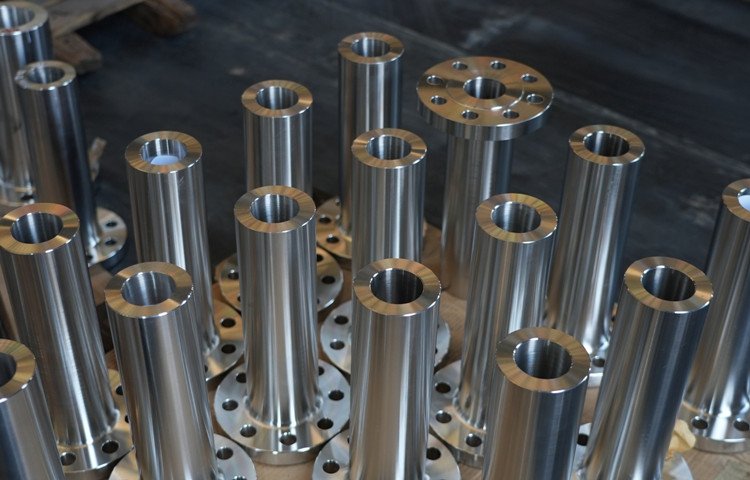
The following measures are commonly adopted in industrial forging to prevent defects:
1. Maintain proper forging temperatures
Maintaining the correct forging temperature ensures adequate metal plasticity and smooth material flow during deformation.
2. Optimize die design
A well-designed die helps guide metal flow and prevents defects caused by uneven material distribution.
3. Increase the forging ratio
A higher forging ratio improves internal material density and helps eliminate internal voids.
4. Use high-quality raw materials
Using refined steel with low impurity levels can significantly reduce inclusions and other material-related defects.
5. Employ appropriate inspection methods
Combining process control with inspection techniques—such as ultrasonic testing and dimensional checks—helps ensure consistent forging quality.

