- tyler@kirail.com
- +86 15603721115
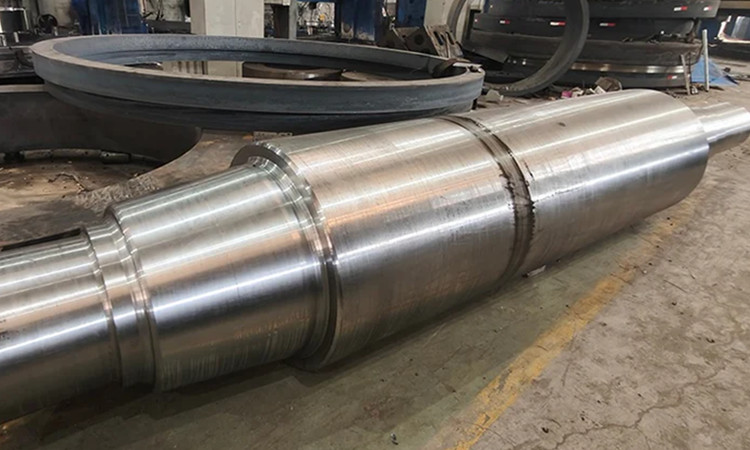
Forging inspection is a critical quality control process in manufacturing, aimed at ensuring the reliability and durability of forged components.
Key Reasons for the Importance of Forging Inspection
1. Preventing Catastrophic Failure: Forgings are widely used in critical sectors such as aerospace, automotive, oil and gas, and defense. Defects in forgings can lead to premature failure, resulting in serious safety hazards or catastrophic system failures.
2. Detecting Inherent Forging Defects: During the forging process, factors such as improper temperatures, excessive force, or mold design issues can give rise to various surface and internal defects. Inspection allows these issues to be identified before the components are put into service.
3. Cost-Effectiveness and Waste Reduction: Detecting defects early in the manufacturing process reduces rework rates and leads to significant savings in time and production costs.
4. Ensuring Performance and Service Life: Forging inspection ensures that products perform as expected under specific operating conditions, such as extreme temperatures, high pressures, or continuous mechanical stress.
5. Compliance with Regulations and Industry Standards: Many industries impose strict quality standards for metal components. Forging manufacturers are often required to meet certification standards—such as ISO 9001, IATF 16949 (automotive), or AS9100 (aerospace)—to satisfy regulatory and customer requirements.
Conclusion
In summary, forging inspection is vital because it bridges the gap between initial manufacturing and reliable end-use performance.

