- tyler@kirail.com
- +86 15603721115
Precision forging, also known as near-net-shape forging, is an advanced metalworking process focused on producing high-precision, structurally complex parts with minimal or no subsequent machining or finishing, distinguishing it from traditional closed-die forging methods. This manufacturing technology is characterized by its ability to produce parts with small tolerances, high surface finishes, and complex geometries.
1. Precision Forging Process
In precision forging, a preheated steel billet is subjected to immense pressure, typically applied via a hydraulic press or mechanical hammer. This carefully controlled deformation guides the metal flow and fills the complex cavities of the die. The resulting part closely matches the required specifications, typically requiring minimal or no additional machining or finishing.
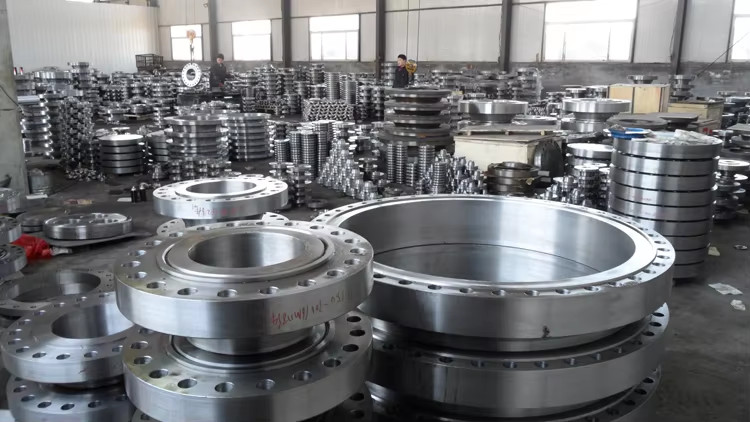
2. Advantages of Precision Forging
1) Material Saving: Precision forging efficiently utilizes materials, striving to achieve the desired shape with minimal material. This not only saves costs but also helps reduce environmental impact. 2
2) Strong Material Applicability: Precision forging is applicable to a wide range of materials, such as steel, aluminum, titanium, and various alloys, thus meeting the diverse needs of different industries.
3) Manufacturing Parts with Complex Designs: It can manufacture parts with complex shapes and intricate features that may be difficult or impossible to achieve using traditional forging or machining techniques.
4. Improved Mechanical Properties
Similar to other forging techniques, precision forging enhances the mechanical properties of materials, including strength and toughness, through the arrangement of grain structures.
5. Materials for Precision Forging
Precision forging can process a variety of materials, such as carbon steel, alloy steel, stainless steel, aluminum alloys, and other engineering metals. Material selection depends on mechanical performance requirements, operating conditions, and applicable standards to ensure consistent product quality and durability.
6. Applications of Precision Forging
Precision forging is widely used in industries such as aerospace, automotive, medical, and defense, where there is a critical need for high-precision, high-strength components. Typical examples of precision forged products include aircraft engine components, automotive transmission gears, and medical implants.
Precision forging represents the pinnacle of metal processing technology, capable of producing parts with unparalleled precision, strength, and material utilization. Its applications span various key sectors, making it an indispensable and vital component of modern manufacturing.

