- tyler@kirail.com
- +86 15603721115
Forging operations involve numerous significant hazards, which can be categorized into physical injuries caused by mechanical forces and health risks from environmental exposure.
1. Mechanical and Physical Hazards
These are the most direct hazards and often lead to serious injuries.
1) Splatter and Impact Injuries: This is a major cause of accidents. The forging process produces "mill scale" (high-temperature, brittle iron oxide), which splatters when the metal is impacted. More dangerously, parts of the machine, tools, or workpiece itself may break off and become projectiles.
2) Crushing and Entanglement Injuries: The immense force of hammers and presses can cause catastrophic crushing injuries. Inadequate machine protection is a common violation, exposing workers to the dangers of moving parts.
3) Workpiece Strike: Dropping or improper handling of heavy forgings is another common cause of workplace injuries. One analysis showed that being struck by forgings during handling accounted for 27% of all accidents.
2. Environmental and Health Hazards
These risks are related to the high temperatures and toxic byproducts generated during the forging process.
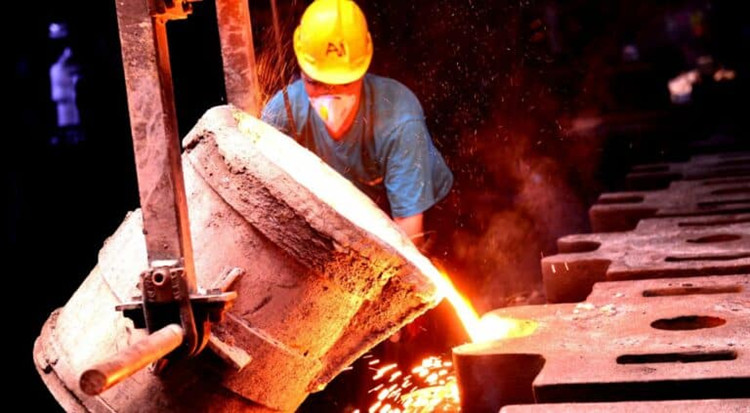
1) High Temperatures and Burns: Forging furnace temperatures can exceed 2,000°F (1,100°C). Radiant heat, direct contact, or molten metal splashes can all cause severe burns.
2) Harmful Fumes and Poor Ventilation: Heating metal releases toxic fumes, especially those produced by coatings or alloying elements such as zinc. Fuel combustion also produces harmful gases such as carbon monoxide, therefore good ventilation is essential.
3) Noise and Vibration: The repeated impacts of hammers and presses generate significant noise and vibration, which can lead to hearing loss and other health problems over time.
4) Ergonomic Stress: Even with mechanical equipment, forging operations involve handling heavy objects and uncomfortable postures, resulting in severe musculoskeletal stress.
3. Key Safety Measures
To control these hazards, engineering controls and safe operating procedures must be combined:
1) Machine Protection: Appropriate protective devices must be installed to protect operators from hazards at the point of operation and flying debris.
2) Personal Protective Equipment (PPE): Necessary PPE includes safety glasses, aprons, sturdy boots, and heat-resistant gloves.
3) Lockouts/Tagouts and Locks: Machines must be locked before any maintenance or mold replacement. Hammers or press punches must be physically locked to prevent accidental falls and catastrophic consequences.
4) Adequate Training and Work Area Maintenance: Workers must receive comprehensive training. An orderly work area, including unobstructed passageways and safe storage of tools and materials, is crucial for preventing slips, trips, and falls.

