- tyler@kirail.com
- +86 15603721115
The difference between iron and steel is that iron is an element, while steel, in its most basic form, is an alloy of iron and carbon. Some might think that "wrought iron" also refers to steel to some extent, since "wrought" implies forging. These terms can be traced back to the origins of ironware making, existing even before industrial production.
By today's standards, the initial process of refining iron from ore was very crude, resulting in cast iron products with many defects and inclusions. Manufacturing "wrought iron" (i.e., thermomechanical forging of cast iron) was a means of further refining and improving the quality of iron, making it a more desirable structural material.
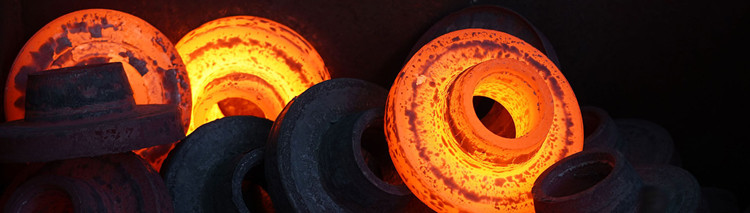
1. History of Iron Production
As iron smelting transitioned from manual labor to industrial production, the final product of the smelting process also acquired new names. "Smelting" refers to the process of heating iron-bearing ore to extract and melt the iron element. The separated and molten iron was poured into molds called ingots, also known as "master ingots," thus creating the initial "pig iron." Master ingots were broken into smaller pieces for further processing. The term "pig iron" originates from the process of separating smaller "cast iron" from the mother ingot.
Blacksmiths heat the small ingots in a furnace and then hammer them, refining the "pig iron" into more usable wrought iron while simultaneously breaking down voids and dispersing impurities. While impurities may not be completely removed, the forging process redistributes larger impurity clumps into smaller particles, reducing their destructive force on the metal's structure.
2. The Creation of Steel
Steel is an alloy created by adding a tiny amount of carbon to molten iron. The dispersed carbon atoms disrupt and distort the iron's crystal lattice, thus improving its mechanical properties.
Subsequent thermomechanical processing, such as forging, has been and remains a crucial step in ensuring the transformation of the initial ingot's microstructure. It guarantees consistent mechanical properties by dispersing impurity or alloying element clusters and eliminating porosity that would weaken the final product. The hot working of forging also promotes the recrystallization of the alloy, forming a "fine-grained" structure. This maximizes the steel's toughness and fatigue resistance.
3. Properties of Steel and Iron
Steel is stronger than iron (in terms of yield strength and tensile strength) and tougher than many types of iron (usually measured by fracture toughness). The most common steels contain less than 0.5% carbon (by weight). Higher carbon content, while increasing strength, can also make the steel brittle. Other common elements in steel include manganese, silicon, phosphorus, and sulfur. Steels known as "alloy steels" may also contain nickel, chromium, molybdenum, and vanadium.
Stainless steel is a commonly used low-carbon steel that contains chromium. Each element added, even in small amounts, contributes additional superior properties to the steel alloy. When the formulation of a steel alloy is controlled and the material processing is done correctly, this primarily iron-based alloy can become one of the most useful materials ever made.

