- tyler@kirail.com
- +86 15603721115
1. What is Forging?
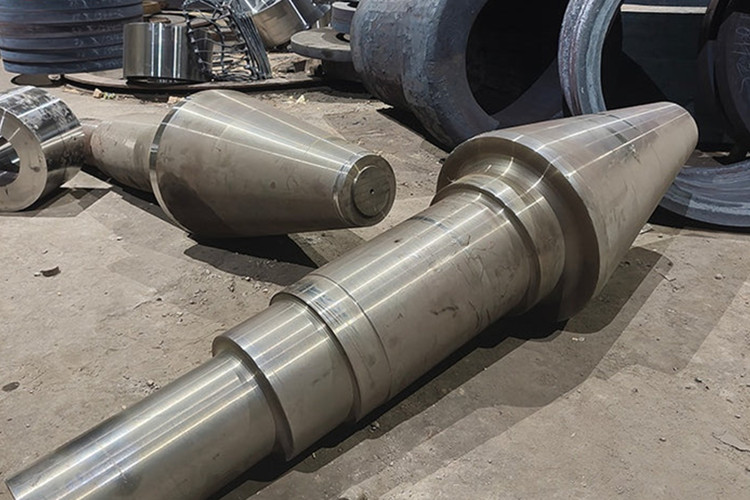
Forging is a manufacturing process that presses, hammers, or extrudes metal under high pressure to form a high-strength part, known as a forging. This process is typically (but not always) carried out under hot working conditions, meaning the metal is preheated to the required temperature before processing. It's important to note that forging is completely different from casting because the metal used to make forgings does not require melting and casting (as in casting).
2. Why Use Forgings? What are Forgings Used In?
Forging can produce parts with significantly higher strength than any other metalworking process. Therefore, forging is almost always used in applications where reliability and safety are paramount. However, you rarely see forgings themselves, as they are usually assembled components, such as those used in aircraft, automobiles, tractors, ships, oil drilling equipment, engines, missiles, and various large pieces of equipment.
3. How Many People Are Employed in the Forging Industry?
The forging industry in the United States and Canada employs approximately 30,000 people across the country. Because modern forging is a capital-intensive industry (requiring a large amount of heavy equipment for production, as well as the personnel needed to operate and maintain this equipment), most forging plants are small businesses, typically employing 30 to 500 people, with a few larger plants employing over 5,000.
4. What metals are forged?
Almost all metals can be forged. However, some of the most common metals include: carbon steel, alloy steel, and stainless steel; high-hardness tool steel; aluminum; titanium; brass and copper; and high-temperature alloys containing cobalt, nickel, or molybdenum. Each metal has its unique strength or weight characteristics, best suited to the specific parts specified by the customer.
5. What equipment is used to manufacture forgings?
Although forging equipment varies greatly in style and drive systems, any of the following can be used for forging:
1) A hammer with a driving force of up to 50,000 pounds, which hammers metal into shape through controlled high-pressure impact.
2) A press with a driving force of up to 50,000 tons, which vertically extrudes metal into shape through controlled high pressure.
3) Upsetting machine: This is basically a forging press used for horizontal forging, and its forging process is called "upsetting".

