- tyler@kirail.com
- +86 15603721115
Precision forging, also known as fine forging, is a specialized metalworking technique.
Precision forging is a high-precision forging process for metal materials. In this process, the metal material is heated to a high temperature and then shaped using specific molds and mechanical pressure. Compared to traditional forging, precision forging focuses more on the detailed processing of the metal material to achieve higher dimensional accuracy and surface quality.
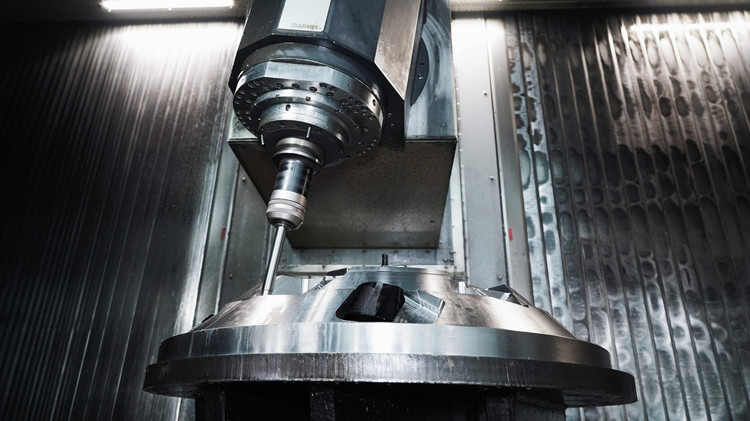
Features of Precision Forging:
1. High Precision
Precision forging technology ensures the dimensional and geometric accuracy of parts, making them meet design requirements.
2. High Strength
Parts manufactured through precision forging have a denser internal structure, resulting in higher mechanical strength.
3. Material Saving
Precision forging maximizes the use of raw materials and reduces material waste.
4. Wide Application
Precision forging technology is suitable for processing various metal materials, such as steel, aluminum, and copper.
Application Areas
Precision forging technology has wide applications in many fields. For example, in the automotive industry, precision forging is used to manufacture engine parts, transmission parts, etc. Furthermore, precision forging technology is widely used in industries such as aviation, aerospace, medical devices, and electronics.
Final Summary
Precision forging is a high-precision metal processing technology. Parts manufactured through precision forging have advantages such as high precision and high strength, and are widely used in various industries.

